Transforming retail media for the post-third-party cookie era.
|
Post written by

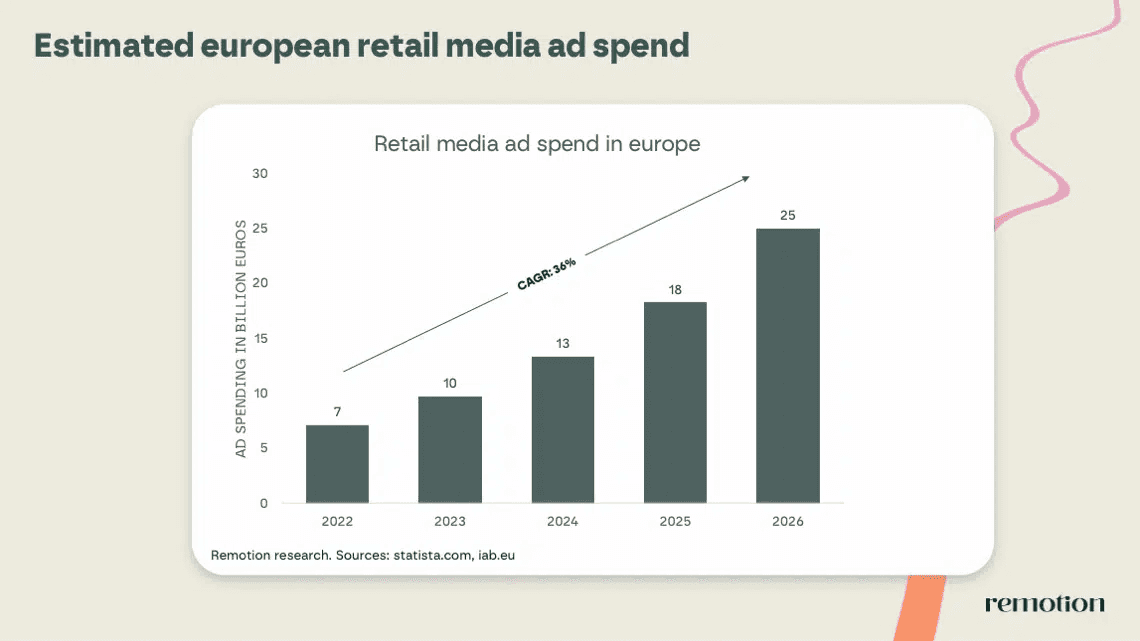
The "death of the third-party cookie" has reshaped traditional digital marketing, challenging advertisers and brands when it comes to targeting and understanding their audiences. Retail Media Networks (RMNs) have emerged as a key solution, transforming the marketing landscape. This article dives into how retail media networks are addressing the challenges of losing third-party cookies, and what opportunities this opens up for both advertisers and retailers. We’ll look at the forecast for retail media, the different niches it covers, and the benefits of using first-party data to build new revenue streams and partnerships.
The challenge of cookieless advertising
Phasing out third-party cookies makes things tricky for digital marketers. Old ways of tracking user behavior are becoming obsolete, leading to less precise ad campaigns. Advertisers are struggling to connect with their audience effectively, which hurts their return on marketing investment (ROMI). Retailers also face the challenge of leveraging their digital platforms for ads without invading consumer privacy. This shift calls for a new approach to digital marketing—one that handles these privacy complexities while still delivering personal and effective ads.
The growth of retail media
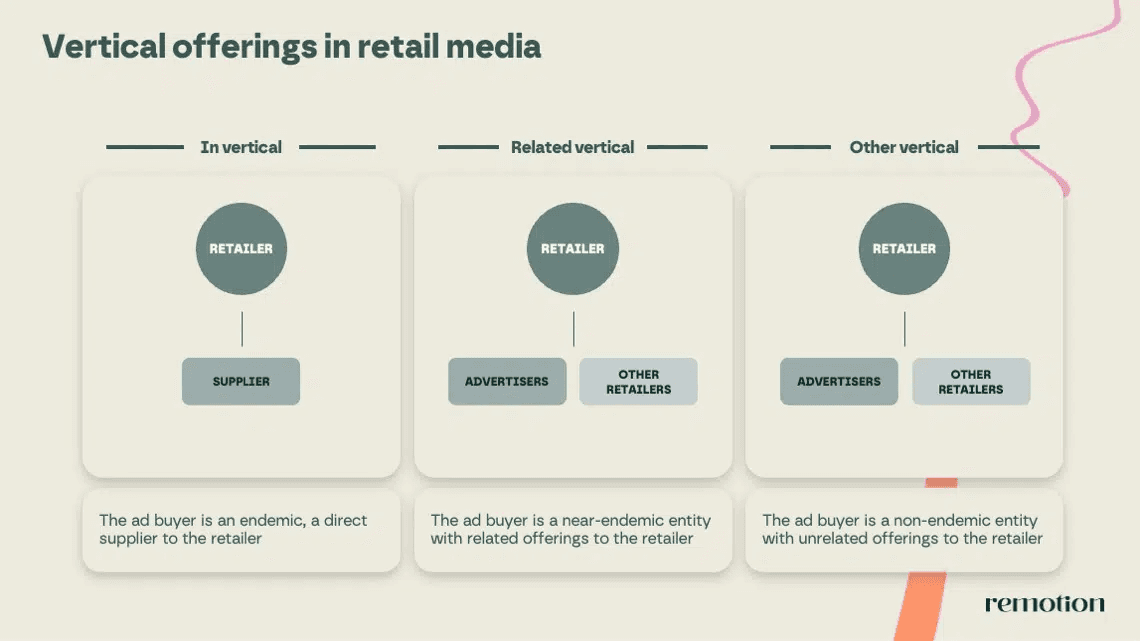
As third-party cookies fade away, retail media is set to grow significantly, offering a smart alternative for advertisers and retailers alike. Retail Media Networks allow for advertising across different categories, catering to "endemic" (directly related), "near-endemic" (closely related), and "non-endemic" (unrelated) brands.
This wide range ensures that advertisers can find their specific audience, no matter the niche. For example, a tech company (endemic) can use retail media to target electronics shoppers, while a home decor brand (near-endemic) might target lifestyle segments. Even unrelated sectors (non-endemic), like the automotive industry, can tap into these networks to reach a broader audience. This versatility makes retail media networks a key player in the new digital marketing landscape (Figures 1 & 2).
Embracing retail media for marketing success
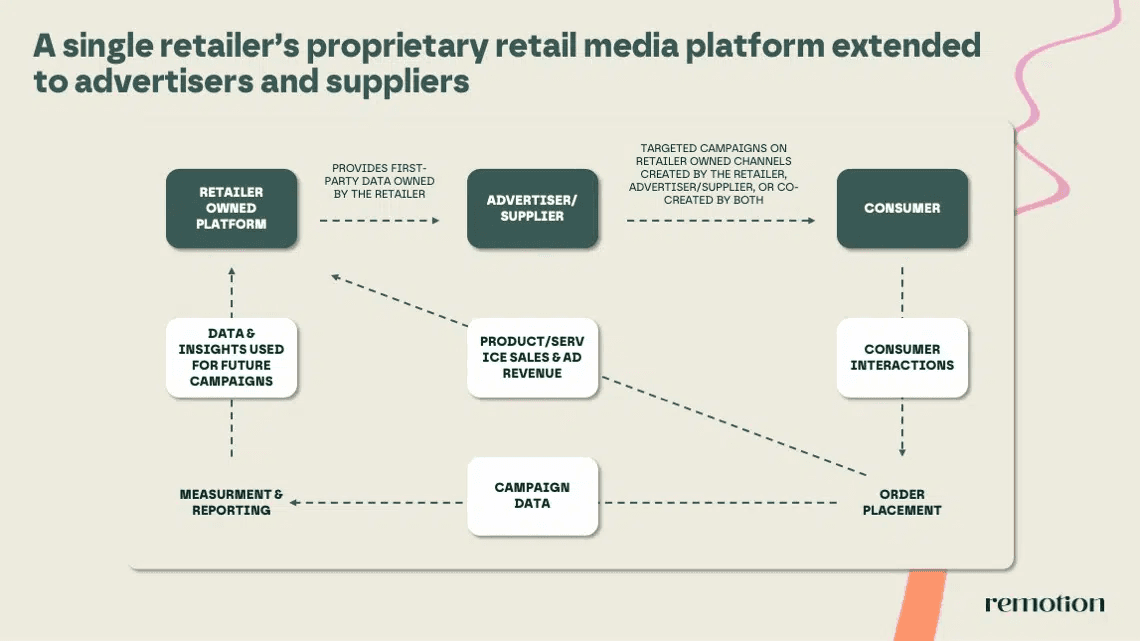
Adapting to retail media is crucial for advertisers and retailers facing the post-cookie reality. Retail media platforms offer great tools to create ads and campaigns, with options for both self-service and fully managed setups. This flexibility allows advertisers to tailor their strategies to reach customers effectively, while enjoying the benefits of closed-loop reporting and deeper customer insights. Retailers, in turn, play a vital role by offering targeted audiences based on their first-party data across multiple channels.
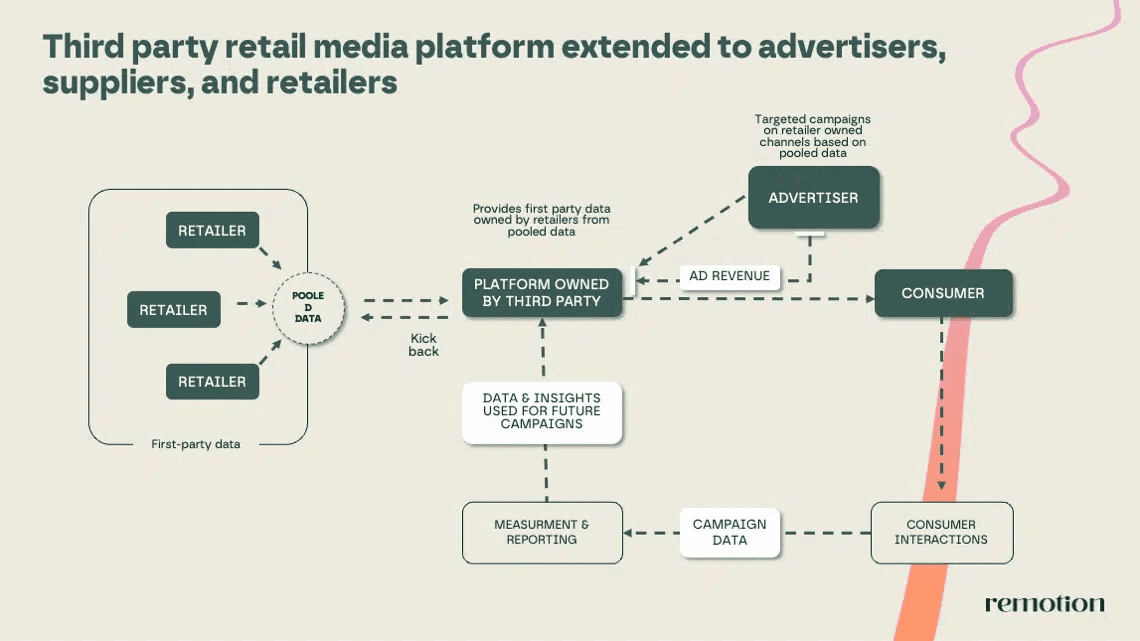
These platforms give advertisers the tools to build and run their campaigns. Advertisers can choose self-service for more control and flexibility, or retailer-managed options where the retailer takes a more hands-on role in running the campaigns (Figure 3). These platforms help advertisers reach shoppers right when they are ready to buy. On top of that, closed-loop reporting provides clear feedback on campaign performance, helping advertisers tweak their strategies and understand their customers better (Figure 4).
For retailers, retail media is a goldmine for their first-party data. By creating or joining a retail media network, retailers can share access to audiences built directly from their customer data. This data is incredibly valuable for creating highly relevant marketing messages. Retailers can monetize their digital spaces—like websites, apps, in-store screens, and external social media channels—giving advertisers plenty of touchpoints to reach consumers.
The benefits for retailers are big. By leveraging retail media, they can unlock new revenue streams, turning customer insights and digital platforms into profitable ad space. This approach also builds stronger partnerships with suppliers and brands, creating a win-win relationship based on shared consumer insights.
In short, retail media networks offer a complete solution to the cookieless challenge. For advertisers, it’s a way to reach and understand consumers while respecting their privacy. For retailers, it’s a highly profitable way to monetize digital assets and data. As retail continues to evolve, the importance of embracing retail media is clearer than ever, marking a new era in digital marketing.
To navigate the post-cookie landscape, we need innovative solutions. Retail media isn’t just a quick fix; it’s a transformation that is revolutionizing how we advertise. Moving away from third-party cookies isn’t just about adapting—it's a smart, strategic step toward long-term marketing success. The power of first-party data allows retail media networks to not only overcome future hurdles but also open up exciting new avenues for advertisers and retailers. This team-up between brands and retailers is a highly promising path forward, where personalized, effective, and privacy-friendly ads shape the future of marketing.