Leverage CDPs for increased customer engagement
|
Post written by

While the digital ad industry struggles with the death of third-party cookies, Customer Data Platforms (CDPs) are stepping up to help companies get the most out of their own channels—like email, websites, mobile apps, and in-store checkout systems. In this article, we’ll look at how CDPs make it easy to collect and use your own first-party data. This helps you boost customer engagement and cushion the blow of losing cookied paid media.
Beating paid social media limits with CDPs
The loss of third-party cookies has made targeting and tracking users through paid media channels much harder. This means companies need new ways to keep customers hooked and coming back.
Why your own channels matter more than ever
Owned channels like email, websites, apps, and point-of-sale (POS) systems have always been marketing staples. But in a cookieless world, they are absolute lifesavers. Since paid media is now more restricted, there is an urgent need to make your own channels work harder and smarter.
This is where Customer Data Platforms (CDPs) come in. A CDP pulls together first-party data from online chats, purchase history, and offline customer service. This gives you a clear, 360-degree view of each customer, making it easy to personalize your messages across all channels. (Image 1)
For example, a CDP can track how someone uses your website to learn what they like. You can then use this to change website content in real time, customize emails, or tweak paid ads—meaning a better experience and better results.
For mobile apps, CDPs track how users interact with your app. This lets you send personalized alerts and offers that keep users loyal. Plus, linking in-store POS data means your online and offline experiences work together seamlessly.
CDPs make true omnichannel personalization possible. Armed with a single, clear view of the customer, you can keep conversations consistent, relevant, and personal. Whether someone is reading an email, browsing your site, using your app, or shopping in-store, they get one smooth, continuous journey where every step builds on the last.
Boosting the customer experience with a CDP
To make up for fewer paid media options, CDPs offer a smart solution: improving the customer experience on your own channels with personal touches and consistent messaging.
To get the best results, you need to connect data from every customer touchpoint. For email marketing, this means using CDP details to group your audience by their interests, making sure every email is personal and timely. You can also set up automatic triggers to send emails based on specific customer actions.
On websites and apps, CDPs enable real-time personalization. By remembering previous visits and preferences, the system can instantly show content, offers, and recommendations that match what the user is looking for right now, boosting conversions.
In physical stores, CDPs help bridge the gap. By linking online behavior with in-store shopping, you can offer personalized recommendations that drive cross-sales and keep customers happy and loyal.
By tracking clicks on your web and app and linking them to a customer ID, you get first-party data that you can easily use to target audiences in your paid campaigns—fully compliant and cookie-free.
To make this happen, CDPs handle data integration, identity resolution, profiling, activation, and orchestration. These are the tools you need to make all your channels work together.
Additionally, CDPs let you measure how your communication is doing across all your channels (Figure 2). This gives you the insights you need to constantly tweak and improve your strategy.
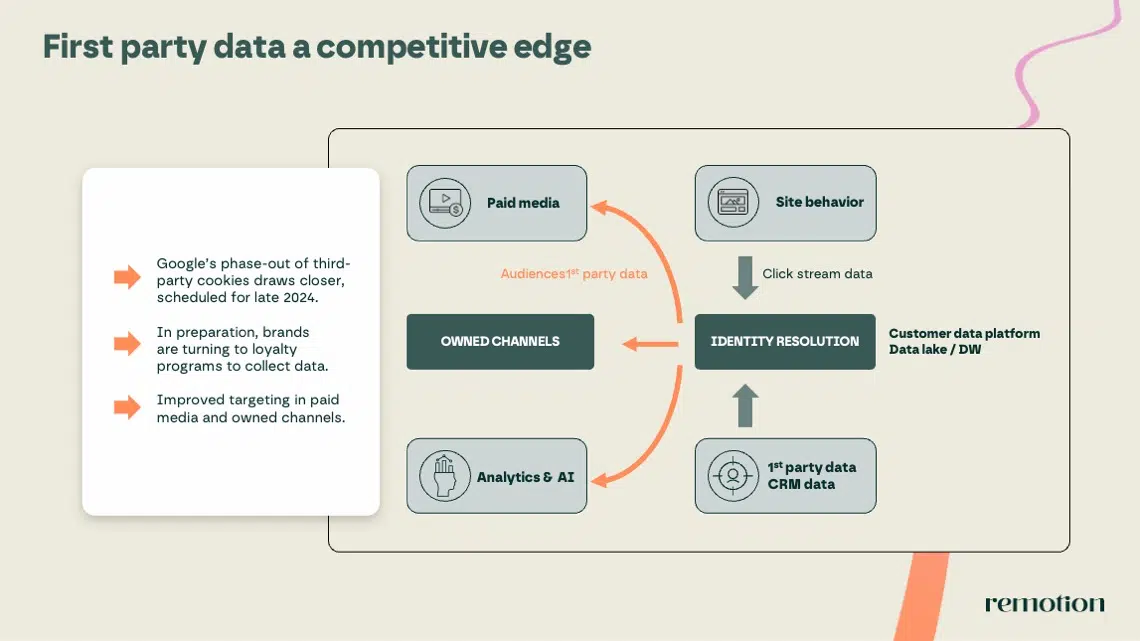
First-party data: A competitive edge
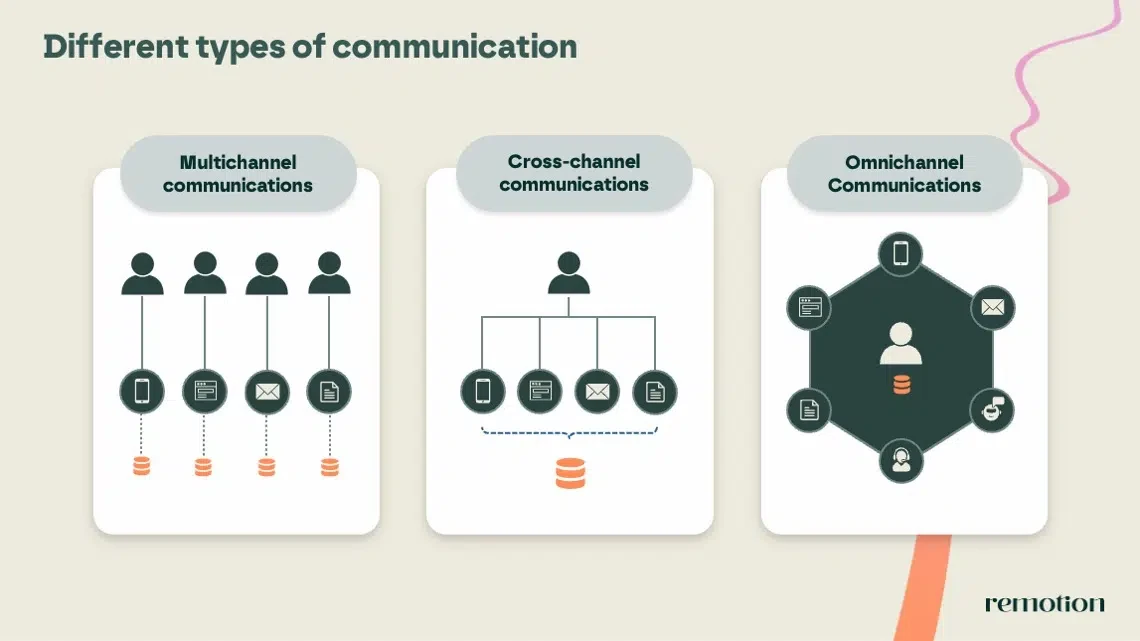
Different types of communication
In conclusion
By using CDPs to build up your own marketing channels, you won't just bypass the cookie problem—you will build stronger, more direct relationships with your customers. This means better customer loyalty, higher retention, and ultimately, more growth for your business.