Future Insights: Shopping Behavior 2021
|
Post written by
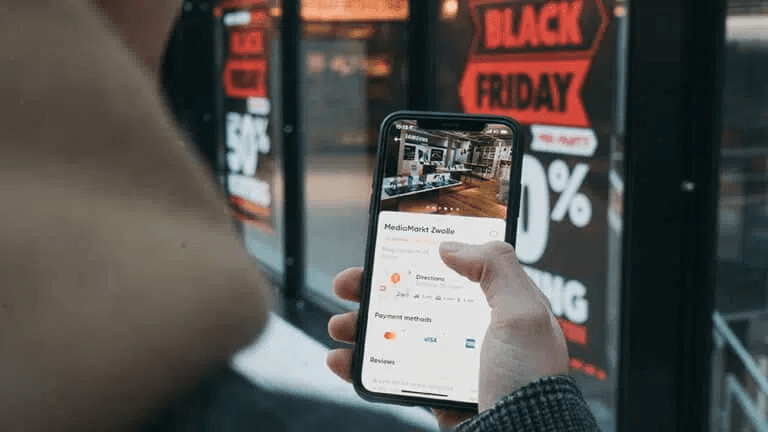
What will the future of e-commerce look like? Triggered by the pandemic, our society digitalized faster than we ever could have imagined. E-commerce skyrocketed and brick-and-mortar stores lost their most loyal customers. In this blog post, we dive deep into the data showing behaviors during the 2020 pandemic, and the insights we are taking with us for the future of online shopping from an industry perspective.
The pandemic has changed our buying behavior globally. Since people all over the world stayed home, e-commerce saw massive growth. According to "The Future of Shopping Has Arrived Early" by Facebook IQ, retail shoppers split into two main buckets: those buying essentials, and those buying non-essentials. Early in the pandemic, panic buying led to a short-term spike that left grocery store shelves empty. In the US, the food and beverage category grew by a whopping 11.3% over the year. And the behavioral shifts don't stop there. To match customers early in your business model, customer experience, and marketing strategy—before the competition catches up—you need to understand these new expectations. Below, we break down shoppers' buying habits during the pandemic.
CHAPTER 1
Shopping Redefined: Rethinking priorities leads to complex buying decisions. In the past, customers based their buying decisions on what was available in stores. Thanks to the expansion of e-commerce and paid digital marketing, this has changed. In 2020, mobile e-commerce shopping grew by 19% globally, accounting for 65% of all e-commerce revenue worldwide. E-commerce has evolved, opening up more choices for customers. Price remains a dealbreaker both online and in-store, with 61% of shoppers actively looking for discounts or deals. Since many took a financial hit during the pandemic, price will likely continue to be a deciding factor. "One of the things that consumers have started to realize during COVID-19 is that their preferences of where they shop matter more to them than they did before. And that comes from a variety of reasons, not just safety and security, but also their payment options, the inconveniences or conveniences they experience along their path to purchase, and their transaction. These are all things that will persuade a customer to be loyal – or not." – Nicole Leinback Reyhle, Founder of Retail Minded
So, what are customers saying themselves?
71% say it is very important to feel safe shopping in a physical store. 68% expect retailers to always have the products they want in stock. 75% say price determines where they shop. 68% say reliability is a key factor in choosing where to shop. 65% value accessibility and convenience. 63% consider good customer service a deciding factor.
With these insights in mind, what do we as marketers need to think about in 2021?
Tailor your platforms to your target group's habits.
Whether your customers choose to shop in-store or online, both experiences need to feel safe, reliable, and easy.
The right message to the right audience.
Every customer's buying journey is individual. It is crucial to reach them where they are in that journey. With today's smart ad tools, we can optimize ads to display exactly when and where a customer is most receptive.
Focus on values.
More conscious shoppers mean higher standards. Whether they shop in-store or online, your brand's values matter. Highlighting them in your communication builds trust with potential customers. What is your market position, and how do you stand out from the crowd?
CHAPTER 2
Navigating Shopping Risks: Shoppers face new pain points in-store and online
Research shows that friction or delays in a customer journey can cause shoppers to abandon a purchase. Other common culprits include poor customer service and long lines. During the pandemic, focus shifted from just time and money to physical and mental risks. Six specific shopping risks have been identified:
Functional: Will this product or experience work the way I expect?
Physical: Is this product safe for me?
Social: How will others view my experience with this product?
Psychological: Will this product or experience cause negative emotions?
Financial: Can I comfortably afford this product or service?
Time: How much of my time will it take to buy this product?
"I think many expect businesses to make them feel safe. That is part of the customer experience. A great retailer will do everything they can to communicate what they are doing to protect both customers and staff." – Clare Bailey, FOUNDER of The Retail Champion.
What risks did shoppers report experiencing in-store during the pandemic?
Time risk.
38% felt they spent too much time in lines or struggling to find items.
Functional risk.
37% ran into out-of-stock items, or wanted to try a product before buying.Financial risk.
35% experienced high prices and few sales.
Physical risk.
25% felt unsafe in crowded spaces.
Social risk.
17% waited because they wanted to make a discreet purchase.
Psychological risk.
9% felt stressed or annoyed while shopping.
Months into the pandemic, 71% of shoppers said safety is a high priority for in-store shopping. This will likely remain a key factor in buying decisions. So, what should we focus on as marketers in 2021?
Services that reduce in-store risks.
Skip-the-line services, curbside pickup, and home delivery have made shoppers feel much safer than traditional browsing. If your business offers these, or has a seamless user experience for safer online shopping, shout it from the rooftops to stay ahead of the competition!
Optimize your digital platforms.
With shoppers flocking to e-commerce and mobile shopping, make sure your digital platforms are polished and mobile-friendly. Ask yourself: what basic features would make you choose an online shop over a physical one?
Flexible payment, fast delivery, and easy returns.
Winning over new customers takes trust. By offering smooth online checkouts, fast shipping, and hassle-free returns, you create a great experience that keeps them coming back.
CHAPTER 3
Role Reversal: Physical stores go transactional as online shopping gets experiential
The pandemic accelerated digitalization, making e-commerce explode in 2020 as foot traffic dropped. This isn't just a phase; it is the new normal—32% of consumers say they will spend less time in physical stores even after the pandemic. This is the next generation of e-commerce. Shoppers want convenience and expect to easily find what they need based on their lifestyle.
"People go out to shop with a purpose. They have probably done a lot of research, they know exactly what they want, they go, they do it, they leave. They spend more per visit and their visits are very focused. It suggests that there is a huge amount of research going on online prior to that store visit so that they know exactly what they are going for and they get it done." – Clare Bailey, Founder of The Retail Champion.
How do shoppers globally view impulse buying versus planned purchases?
Food/Drink: 68% plan their purchases, while 32% buy on impulse.
Household items: 68% plan their purchases, while 32% buy on impulse.
Furniture: 66% plan their purchases, while 34% buy on impulse.
Electronics: 67% plan their purchases, while 33% buy on impulse.
Beauty: 64% plan their purchases, while 36% buy on impulse.
Personal items: 65% plan their purchases, while 35% buy on impulse.
Clothing: 58% plan their purchases, while 42% buy on impulse.
And how do consumers want to discover new brands and products in the future?
38% want to filter products by current trends.37% want to filter products by lifestyle.
36% want quick quizzes that tailor product recommendations to their specific needs.
35% want to snap a photo of an item to search for it or find similar products.
34% want dynamic shopping lists based on past purchases and needs.
33% want recommendations based on what is trending among friends or their social network.
29% want product suggestions focused on specific goals (like "decorate a nursery" or "marathon running gear").
29% want smart home assistants (like Alexa or Google Home) to suggest useful products.
24% want to discover items via live streams where influencers use and review products.
23% want brands to host live streams with store reps recommending the right products in real-time.
With these insights, what should we focus on as marketers in 2021?
Streamline your physical store.
Shoppers love efficiency. Physical stores need to make buying easy with simple store layouts and fast checkout options. If you are already doing this, make sure to highlight these physical benefits in your copy!
Try new ways to reach your audience.
Live shopping gained major traction during the pandemic. It is a fantastic way to engage and connect with customers when you cannot meet them in person.
Try Discovery Commerce
Discovery commerce on Facebook helps you understand your audience's shopping interests. By seeing what they interact with, you can help them explore your catalog and easily match them with products they will love.
This is the text for id 66.
Personalized customer service.
Online shoppers value peace of mind. Keeping your social media customer service active and responsive is a great way to build the trust that usually happens naturally in a physical store.
CHAPTER 4
Across the Street and Around the World: Shopping carts go "glocal"The pandemic has reshaped how we shop, creating a stronger bond between local communities and global businesses. People are shopping locally more than ever to support small, neighborhood shops during tough times.
"What is really interesting is that foot traffic has shifted away from city centers back to local communities, which matches what we see with more people working from home. Many who were working from home or furloughed shopped much more locally, engaging more with their neighborhood and smaller shops." – Clare Bailey, Founder of The Retail Champion.
So, how have consumers supported their local businesses?33% bought from a local/small business.
32% recommended a local/small business to family or friends.
30% followed or liked a local/small business page on social media.
23% left a positive comment or review on a local/small business social page.
20% recommended a local/small business to a larger corporate business.
20% shared or reposted deals or content from a local/small business on social media.
Knowing this, what should marketers take away for 2021?
Support local.
With many people remaining at home, neighborhood shops face tough challenges. We should support them however we can, and social media is a powerful tool to spread the word. Could your brand team up with a local shop for a mutually beneficial partnership?
Build a digital presence as a small business.
No matter your business size, digital is the way forward. For small businesses to thrive, being active on social media is a must. Take a look at your ad budget and actual ROI. If you usually run local newspaper ads, try shifting that budget to geotargeted social ads, or even launch a store on Facebook Shops with high-quality product photos.
CHAPTER 5
The New Loyalty Equation: Empathy + Transparency + Value = LoyaltyShopping habits have shifted. Over 60% of consumers say they have tried new brands during the pandemic, shaking up traditional brand loyalty. Buying has become more transactional, driven by price and convenience, making it harder to build deep personal connections.
"Customers have higher expectations for great customer care to remain loyal to a brand. Since comparing prices and retailers is easier than ever, brands must think about how this affects their business." – Nicole Leinback Reyhle, FOUNDER of Retail Minded
Why do shoppers keep returning to the same e-commerce platforms?
Price: 49%
Product quality: 39%
Easy navigation: 37%
Trustworthy website: 37%
Great product selection: 34%
Multiple delivery choices / clear shipping policy: 34%
Secure payment methods: 29% Knowing this, what should we focus on as marketers in 2021?
Rethink your customer retention strategy.
With endless deals and options online, retail is highly competitive. Review the points above to see what value your brand can communicate to build long-term loyalty within your target group.
Talk to your customers.
Shoppers naturally flock to brands they feel connected to. Open up two-way conversations, share helpful updates, and ask for feedback to build that relationship. In fact, 87% of consumers say they want to interact with brands and e-tailers.
Summary
While digitalization was always going to happen, COVID-19 sped up the clock. We don't know exactly what the future holds, but staying agile and open to change is key. Traditional businesses that resist this digital shift will struggle in the long run. This is the new normal. It’s time to take action and make the most of the amazing opportunities the digital landscape offers us!
Hope you enjoyed the read! Don't forget to keep in touch by subscribing to our newsletter.
This blog post is a summary of: "The Future of Shopping".