The customer experience drives loyalty, but that's not the whole picture
|
Post written by

Every era has its management buzzword. To name just a few, we've lived through trends like "net promoter score", "big data", "IoT", and "disruption". Right after "AI", the biggest trend today is "customer experience"—especially when it comes to digital channels, customer interaction, or service design. But what does it actually mean, and how does it fit into the bigger picture?
Prioritizing the customer experience in a crowded market. Today, you can't just rely on great product features to win. Instead, the customer experience has become the ultimate game-changer. Growing a business is driven by people, not just products. This means building a loyal customer base and maximizing life-time value is key to long-term success.
Creating a great customer experience takes more than just a strong service design team.
We can all agree that the final product or service delivered to a customer is just the tip of the iceberg—the final stop on the train ride. To truly drive customer experience, you need more than a great service design team. Your organization's very foundation must be powered by customer insights. This means embedding these insights into your business planning, development processes, product offerings, KPIs, ways of working, and company culture.
Loyalty beyond the experience: Why trust and emotion matter
What we really need is a shift from being product-driven to being truly customer-centric. This shift means rethinking how your organization operates from the ground up.
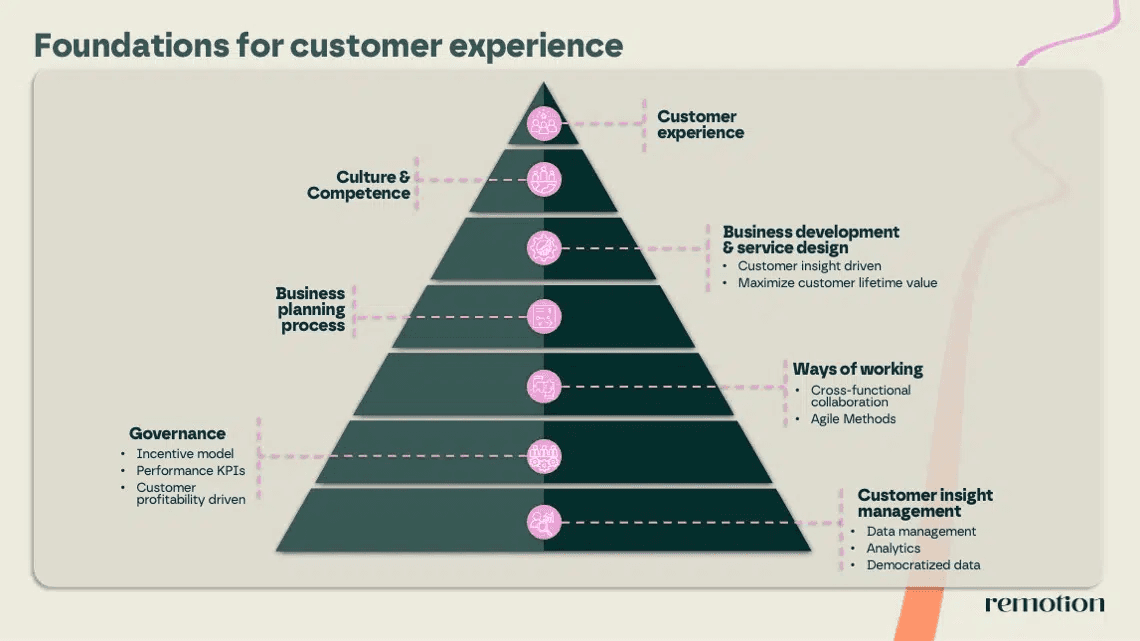
The core idea behind customer experience is that a great experience drives loyalty, and loyalty drives business value (Figure 1). While this is true, experience isn't the only thing that builds loyalty. Trust and emotional connection are just as important.
On one hand, there is trust. Trust is earned when a company is honest, reliable, and keeps its promises. Today, more products and services are bought digitally than ever before, without any human contact. Because of this, trust is vital to make customers feel secure, making it a key driver of loyalty.
On the other hand, there is emotional connection. This happens when customers share your company's values and beliefs, genuinely wanting to see you succeed. It is like supporting your favorite sports team—you stick with them through thick and thin. This emotional tie is one of the strongest drivers of brand advocacy and long-term loyalty.
So, customer experience isn't the only path to loyalty. The emotional connection customers have with your brand plays a huge role too. Even in an era focused on experience, your brand identity still matters deeply.
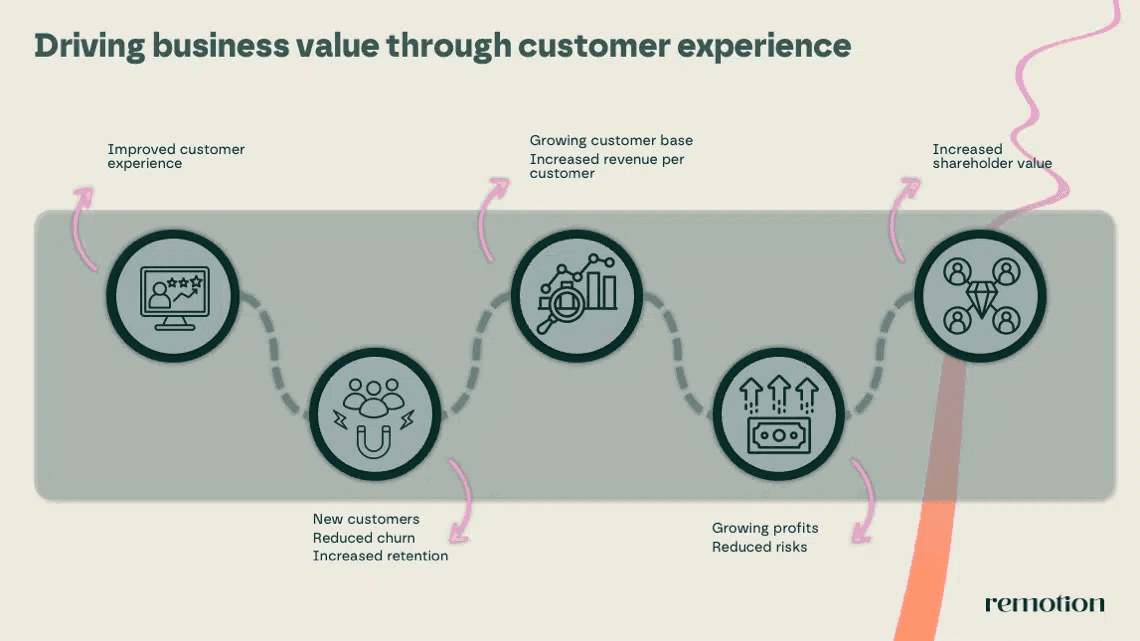
Customer experience is just the tip of the iceberg (Figure 2). To succeed, you need a foundation built on culture, business development, planning, and teamwork. At the core of all this is a customer-insight-driven way of working. This requires solid data management, customer analytics, and making data easy to access so everyone in the company can make smarter decisions.
Being customer-centric can give your business a real competitive edge if done right. But shifting from a product-first mindset to a customer-first one is a journey that takes careful planning.
Start by looking at how you plan, lead, and work today. Then, identify the next steps you can take based on where you are right now to get the best possible results.