The market is shifting
Everything we buy and every service we use is just a click away, leading to hyper-competition. Customer journeys now weave through both digital and physical touchpoints—creating a unique, complex path for every single customer.
Even so, customers still expect a seamless, personalized experience—similar to the warm, attentive service you would get at your favorite local café or shop. This means:
We must leverage data
We have access to more information than ever before, and our ability to process it is growing fast. Going digital means we can build smart, data-driven services and automate our internal workflows. Now, we can get truly personal.
We must change how we talk to customers
Brands are built through direct experiences at every touchpoint, not through high-level brand campaigns. We need to reach customers in real time—right where and when they make their buying decisions—and we have to be personal to stay relevant.
To make this seamless customer experience happen, you need the right tech. This is where a Customer Data Platform (CDP) comes in. CDPs help us talk to customers in real time with the right message, in the right channel, at the perfect moment. Here is how a CDP makes that happen:
Data management
Gathering data from all kinds of sources. It cleans, converts, and structures information so it is ready for your business and marketing needs.
Profile unification
Creating a single, complete profile for each customer by linking different data sources. It uses smart business rules to match multiple profiles, giving you a clear picture of their preferences.
Customer analytics
Profiling customers through DNA, segmentation, predictive modeling, and recommendations to analyze behaviors and deliver the most personalized experience possible.
Targeting & Triggers
Managing personalized customer dialogues. We need to be able to reach out to customers based on exactly how they interact with us.
Campaign orchestration
Managing dialogues across multiple channels and running dynamic, multi-step campaigns. Share segments across platforms to reach customers with relevant messaging via email, social media, or your app.
Tracking & reporting
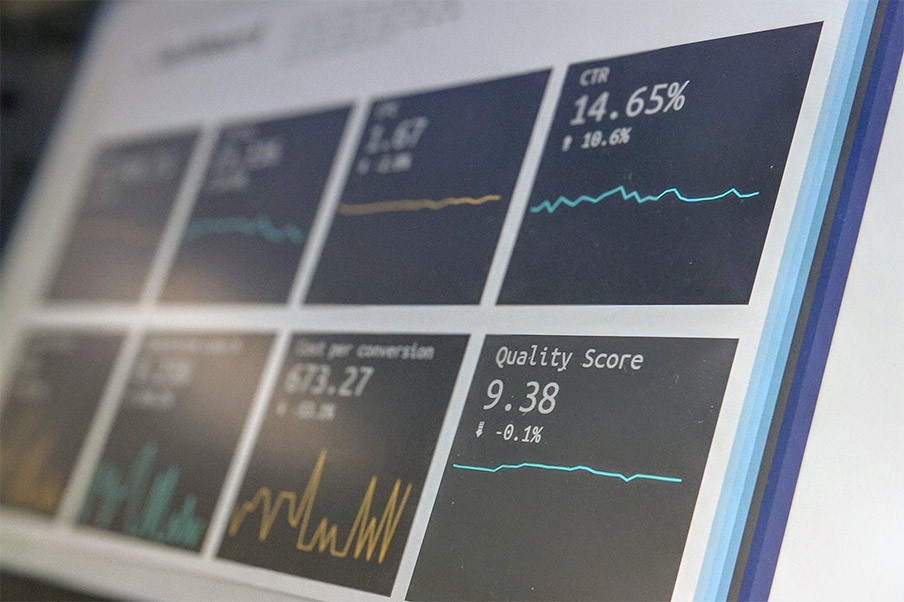
Measuring all communication using control groups and A/B testing. Dashboards let you track customers and campaigns to ensure your messages are highly relevant and driving real results.
Not all CDPs focus on the same things. Gartner categorizes the CDP market into four distinct segments:
CDP Engines and Toolkits: Often described as a toolbox or open-source solution, these are feature sets best suited for IT-led teams.
Marketing data integrations: Focused on data management. These offer tools to control event data streams from a marketing-friendly interface, but lack campaign orchestration. Examples include Tealium and mParticle.
Smart Hub: These vendors focus heavily on orchestration and personalization. They often feature predictive analytics, segmentation, and customer journey builders. Typical players are Exponea, Optimove, BlueVenn, and BlueConic.
Marketing Cloud CDPs: Suite-based tools where everything is built-in. However, they can still struggle with data handling, orchestration, and connecting to external systems. Examples include Adobe and Salesforce.
In short
If your business wants to deliver a seamless, warm, and highly relevant customer experience, investing in a CDP is key to making that happen.
Remotion has evaluated, procured, and implemented a wide range of CDPs. As a Scandinavian leader in data-driven communication, we use modern technology to drive results. We have deep expertise with multiple CDPs and personalization engines.